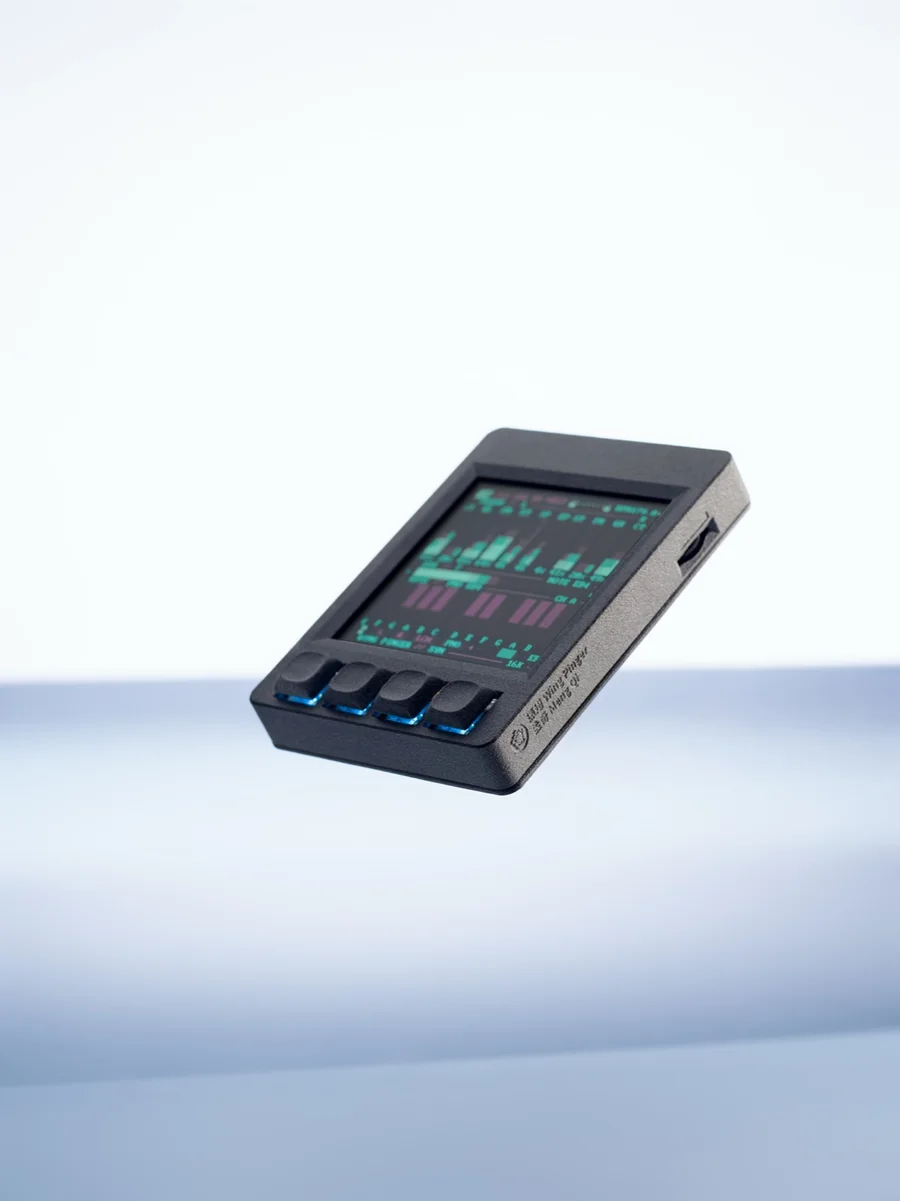
Meng Qi has announced a new handheld instrument: Wing Pinger 2.0. Below is the press release we received, presented in English.
Wing Pinger 2.0
A handheld instrument for unstable chords, guided noise, and living sequences.
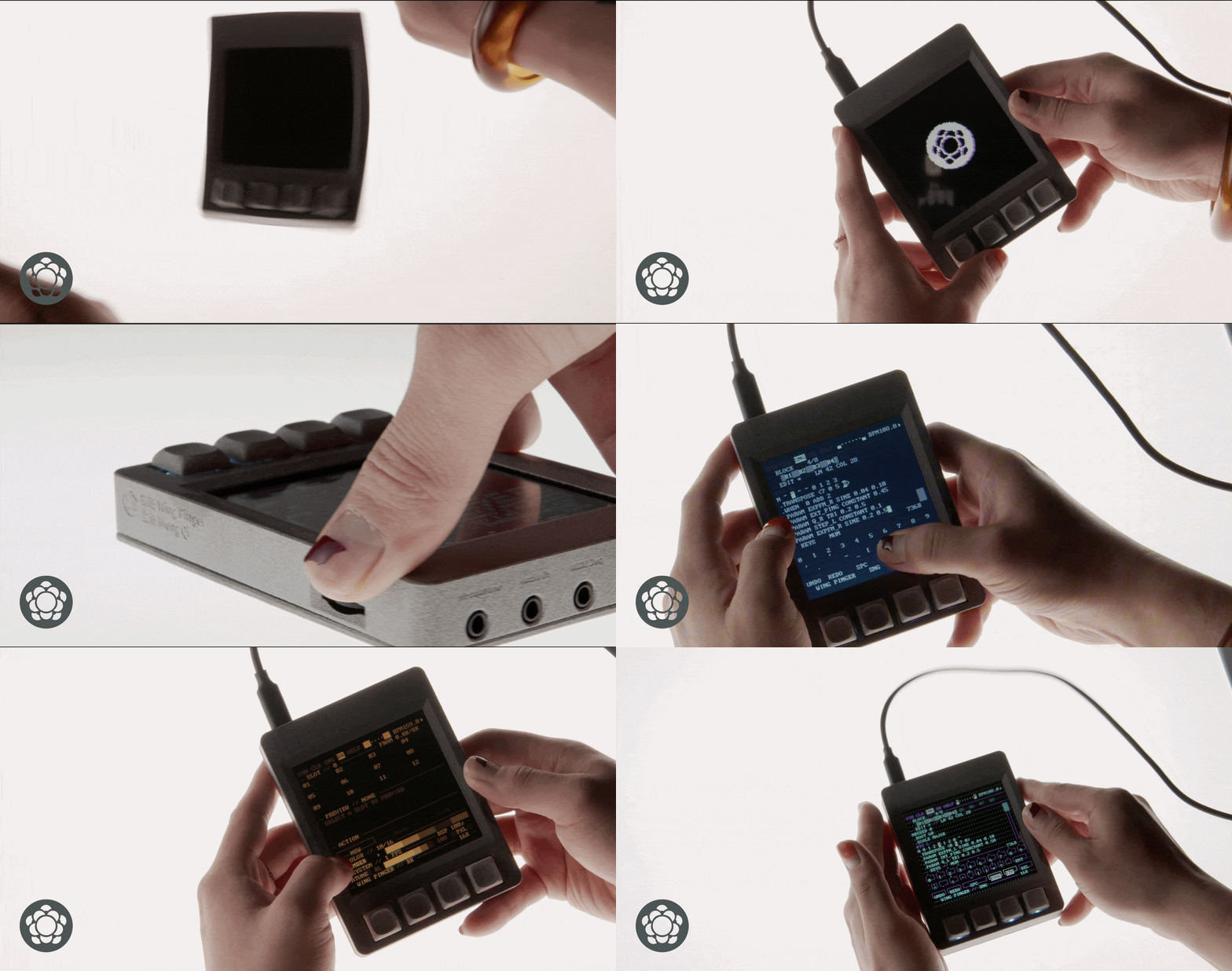
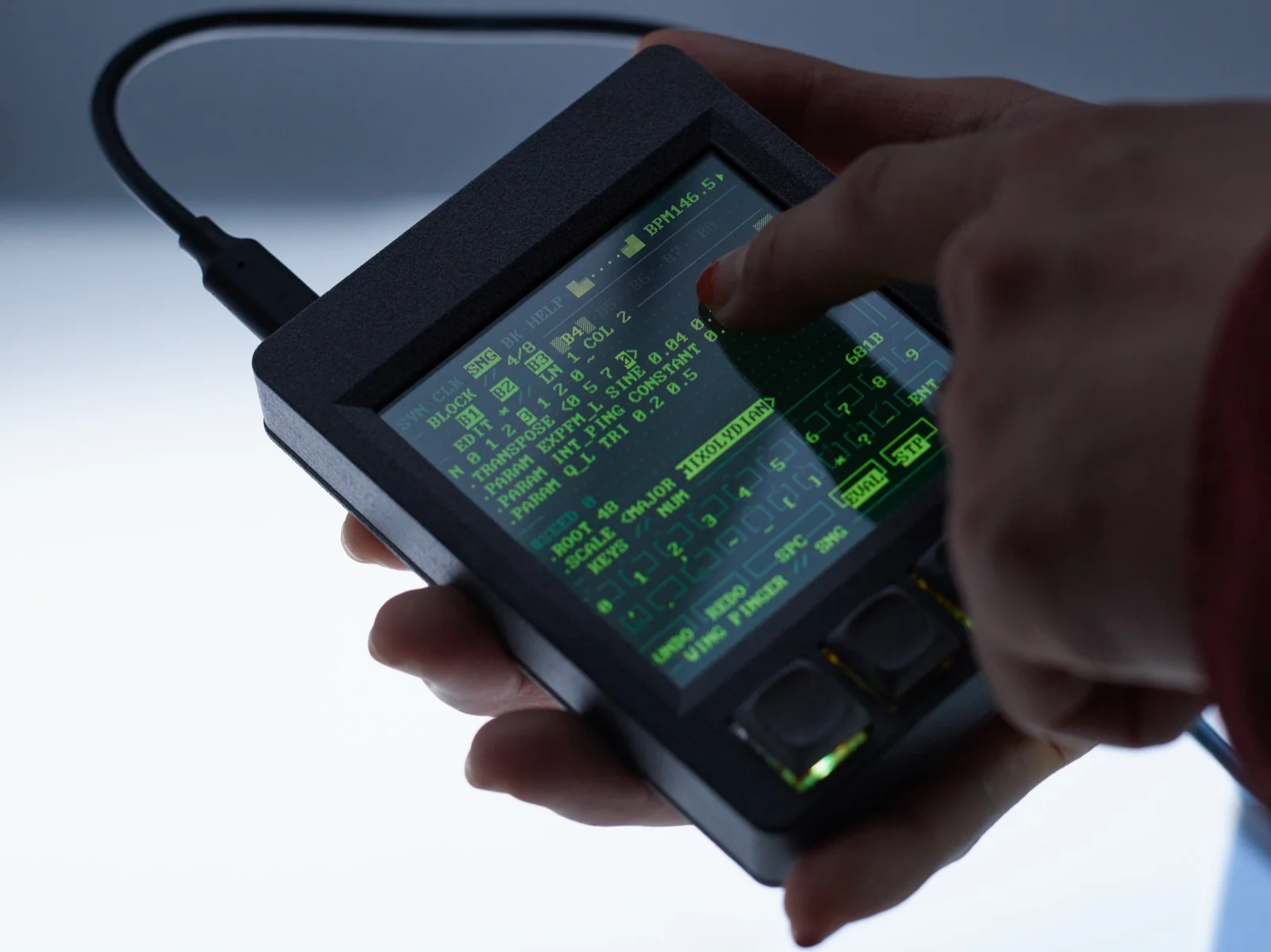
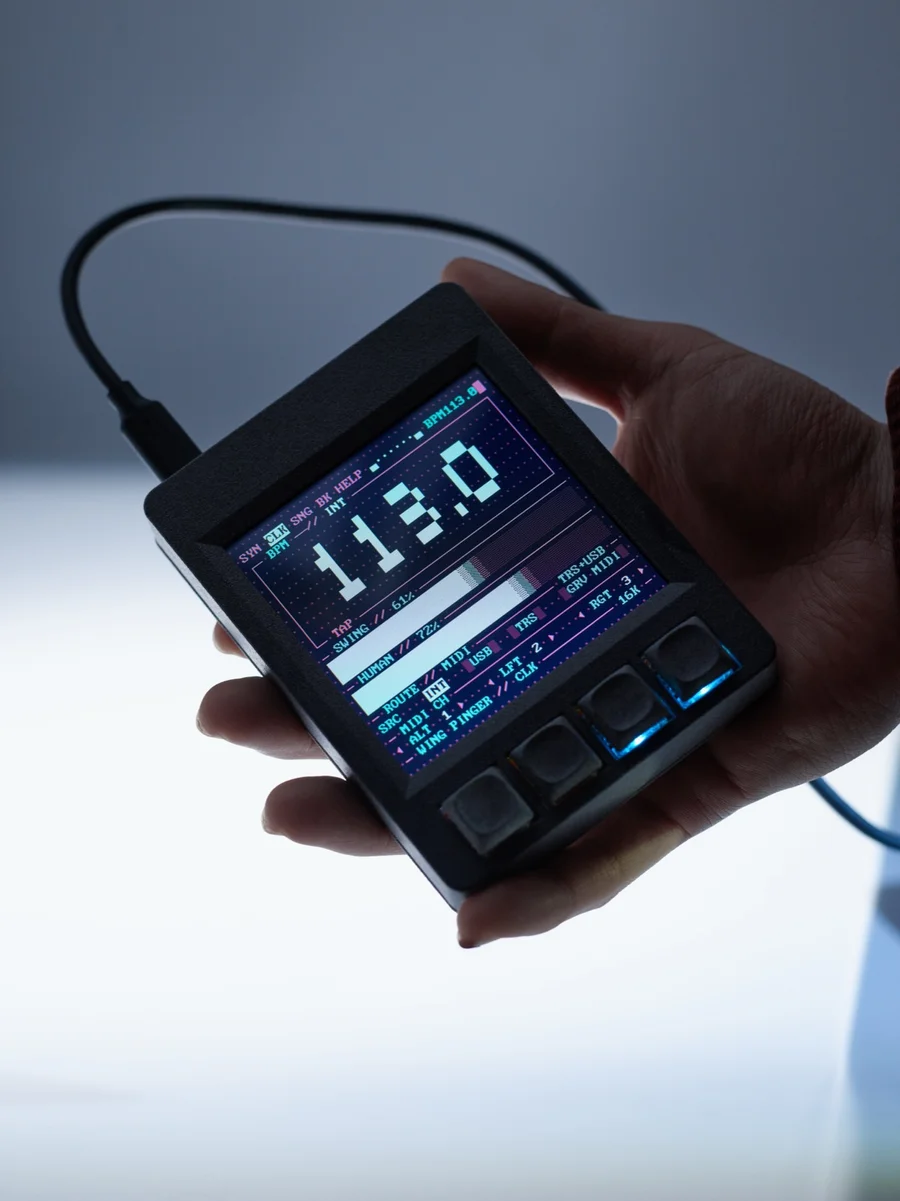
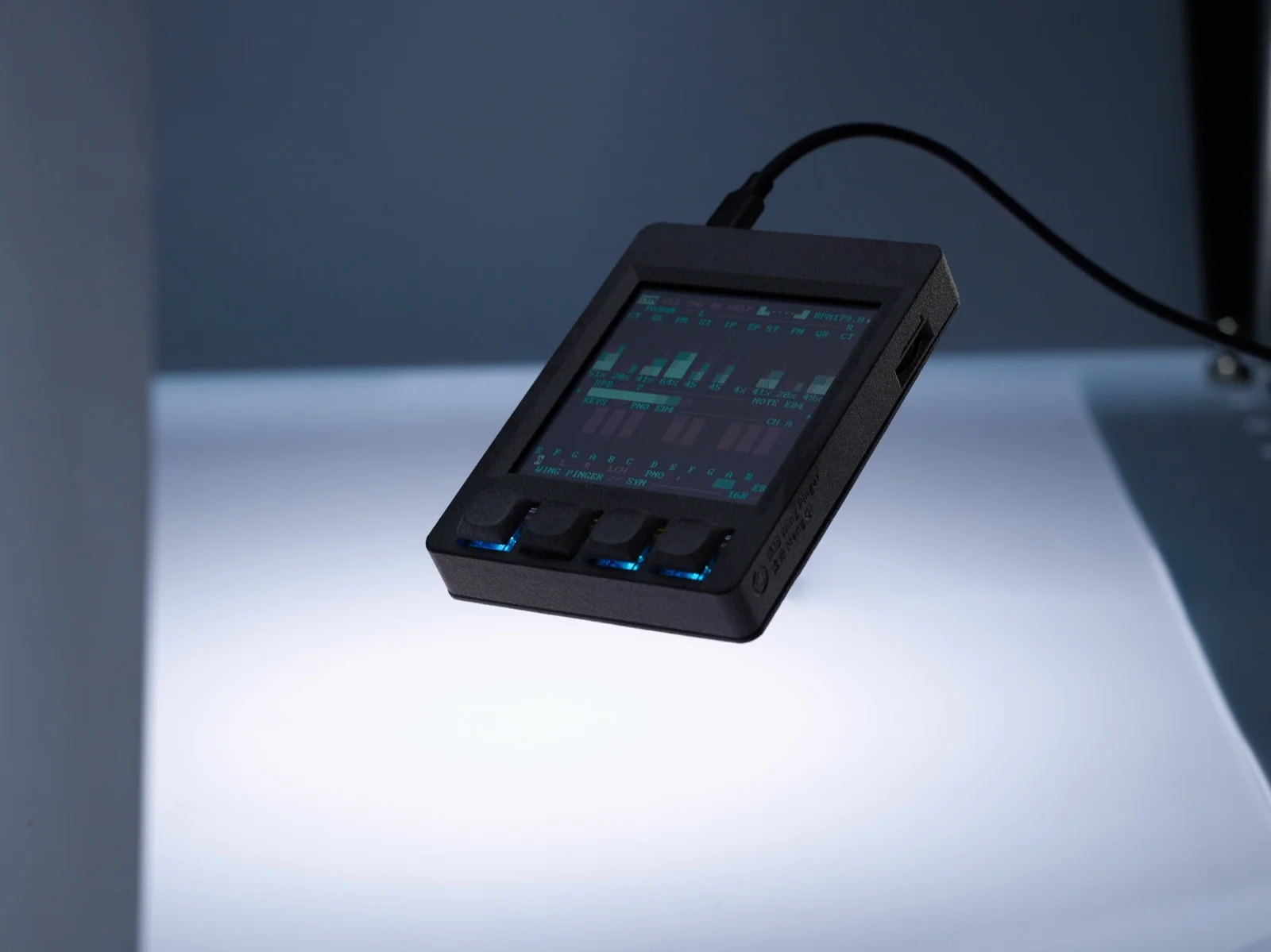
Wing Pinger 2.0 inherits the original Wing Pinger's signature sound built around filter pinging and feedback filters — a design where both pitch and noise rise out of a single unstable circuit. Centered on a pair of self-oscillating analog filters, cross-feedback, and event extraction on the digital side, it's configured as a stereo system that handles plucked-string-like timbres, chord-progression-like motion, unstable rhythms, and chaotic textures.
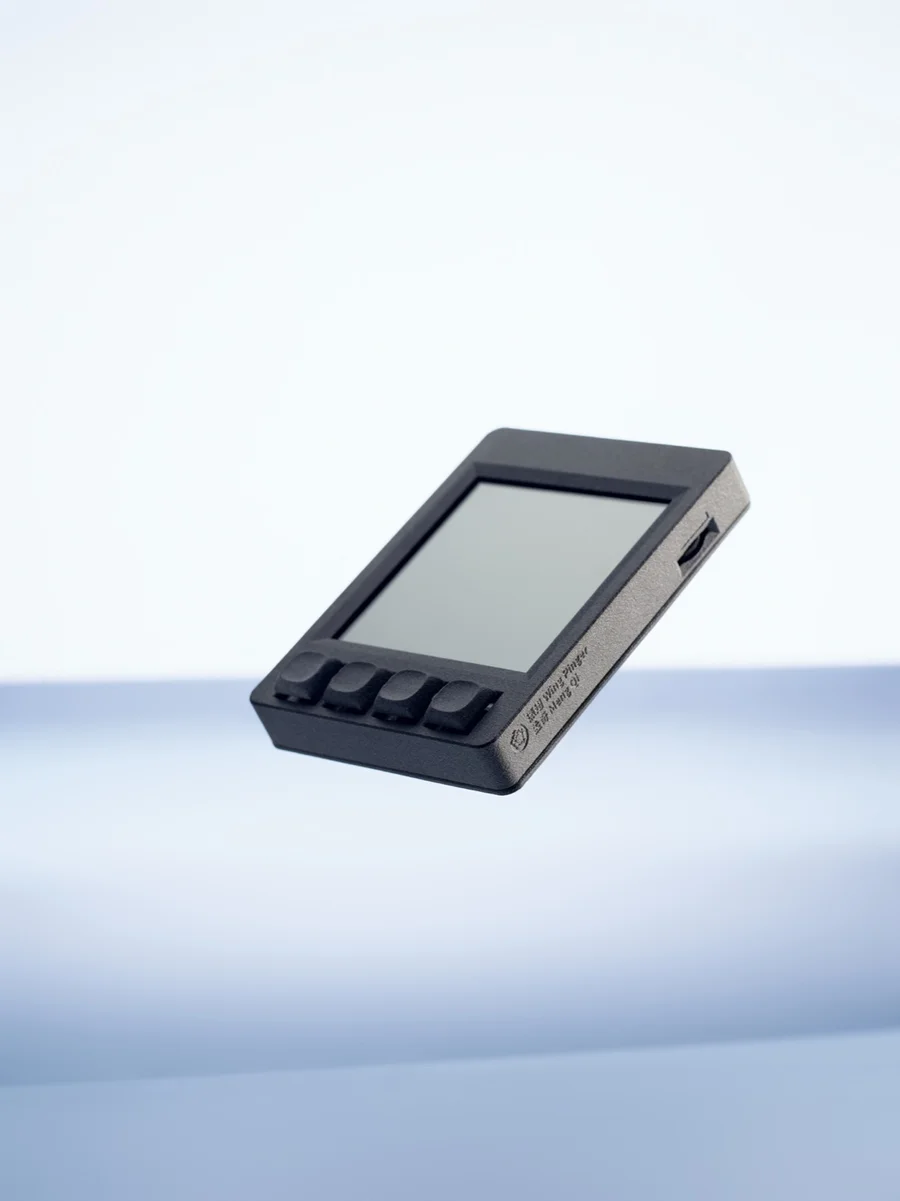
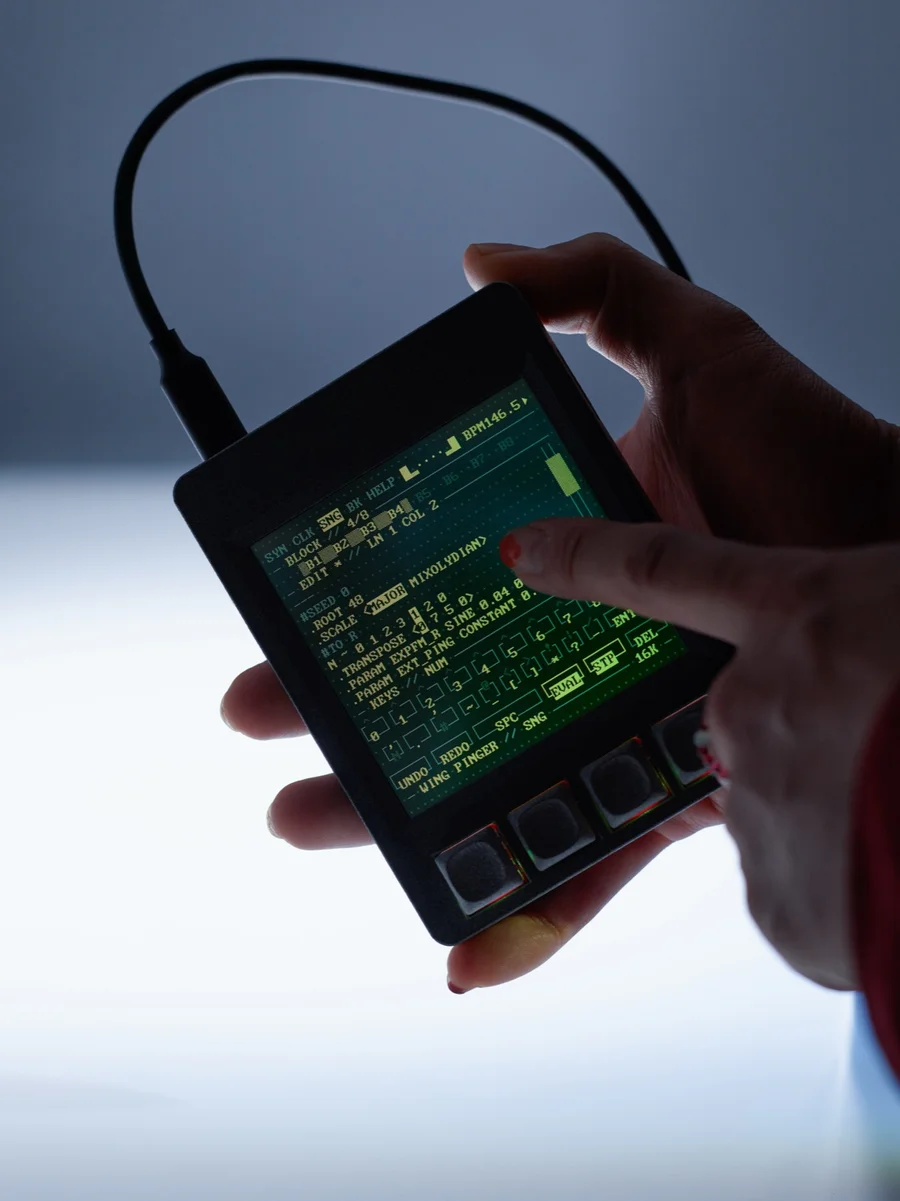
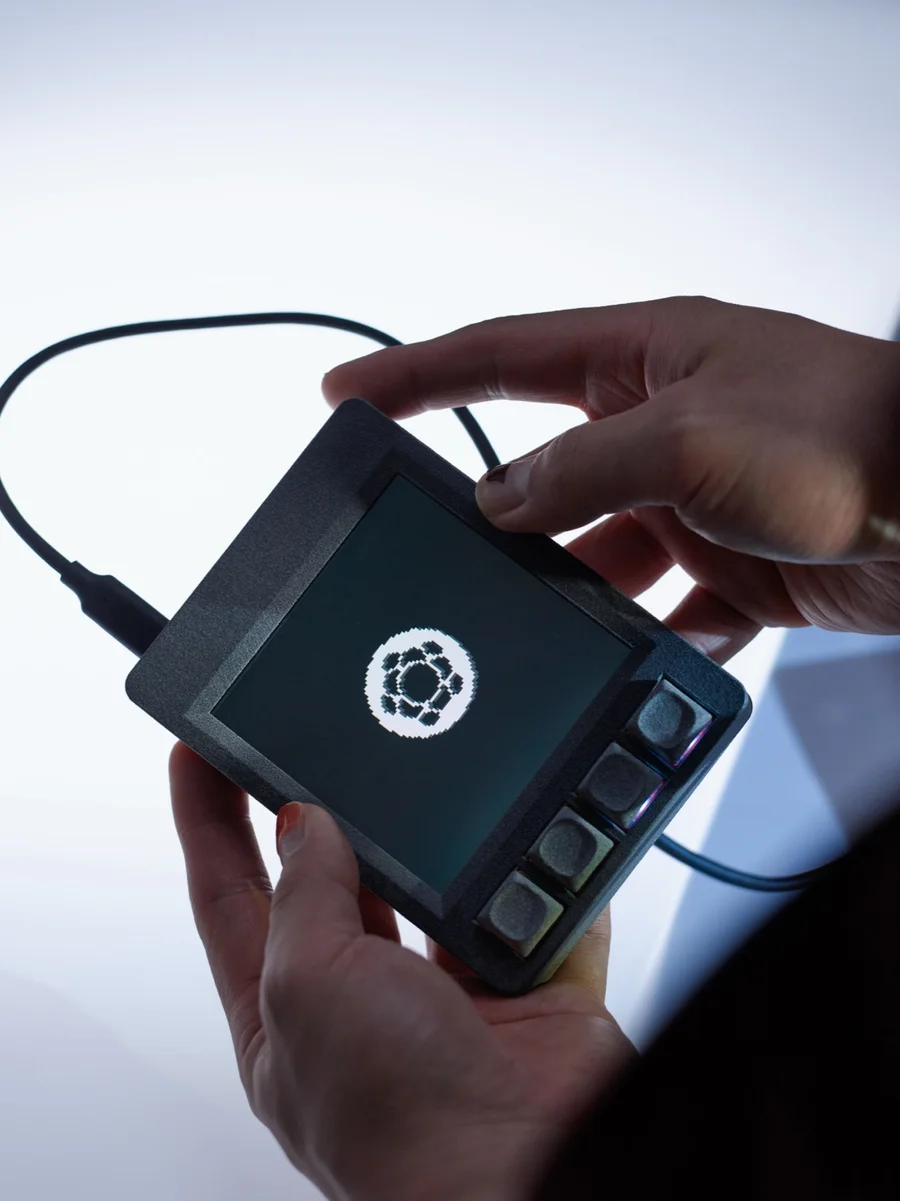
In 2.0, this architecture has been redesigned as a handheld instrument, and a powerful built-in scripting system has been added. The script's pattern language is inspired by Strudel, but designed specifically around the Wing Pinger 2.0 instrument itself. It lets you write musical sequences, modulate the device's internal parameters, and describe how different blocks shape one another over time. By being held and played directly in the hand, Wing Pinger 2.0 turns a scriptable feedback system into a physical musical object — an instrument that's programmable, yet responds to real-time interruption, guidance, and performance.

About Meng Qi
Meng Qi is an electronic instrument designer based in Beijing, China.
Every instrument he makes is one of a kind. His work blends the analog and the digital with a real sense of playfulness, never losing sight of what makes something feel like a physical instrument — exactly the kind of thing that keeps electronic music enthusiasts coming back for more.
That's it for this article. This time we introduced Wing Pinger 2.0, newly announced by Meng Qi. As of now (as of May 7, 2026), the release date is undecided.
Meng Qi Product Details
Product details for the Meng Qi modules carried by Takazudo Modular are available below.
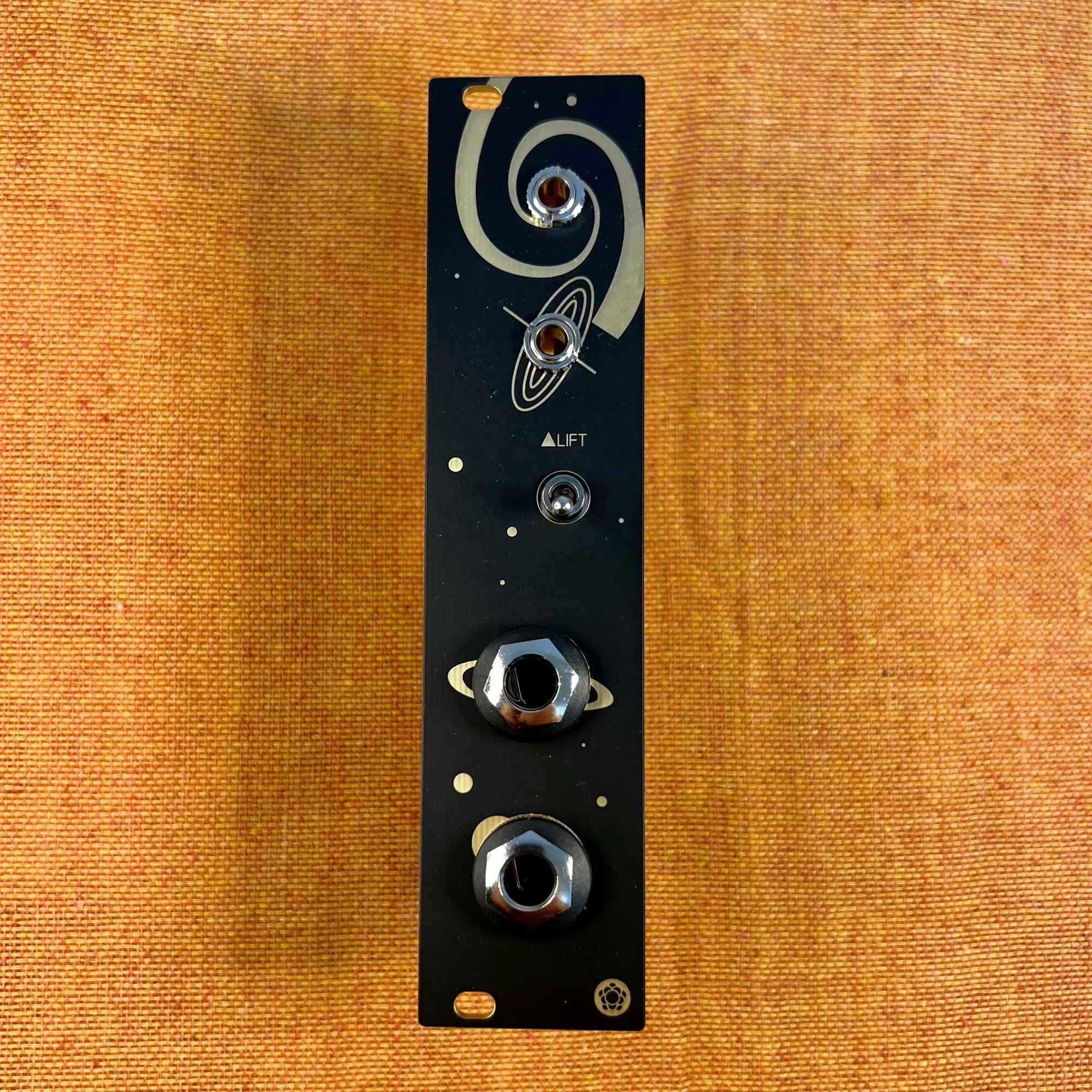
A passive transformer module that converts between unbalanced and balanced signals in both directions. It carries 3.5mm and 1/4" jacks and a ground-lift switch for dealing with hum noise.
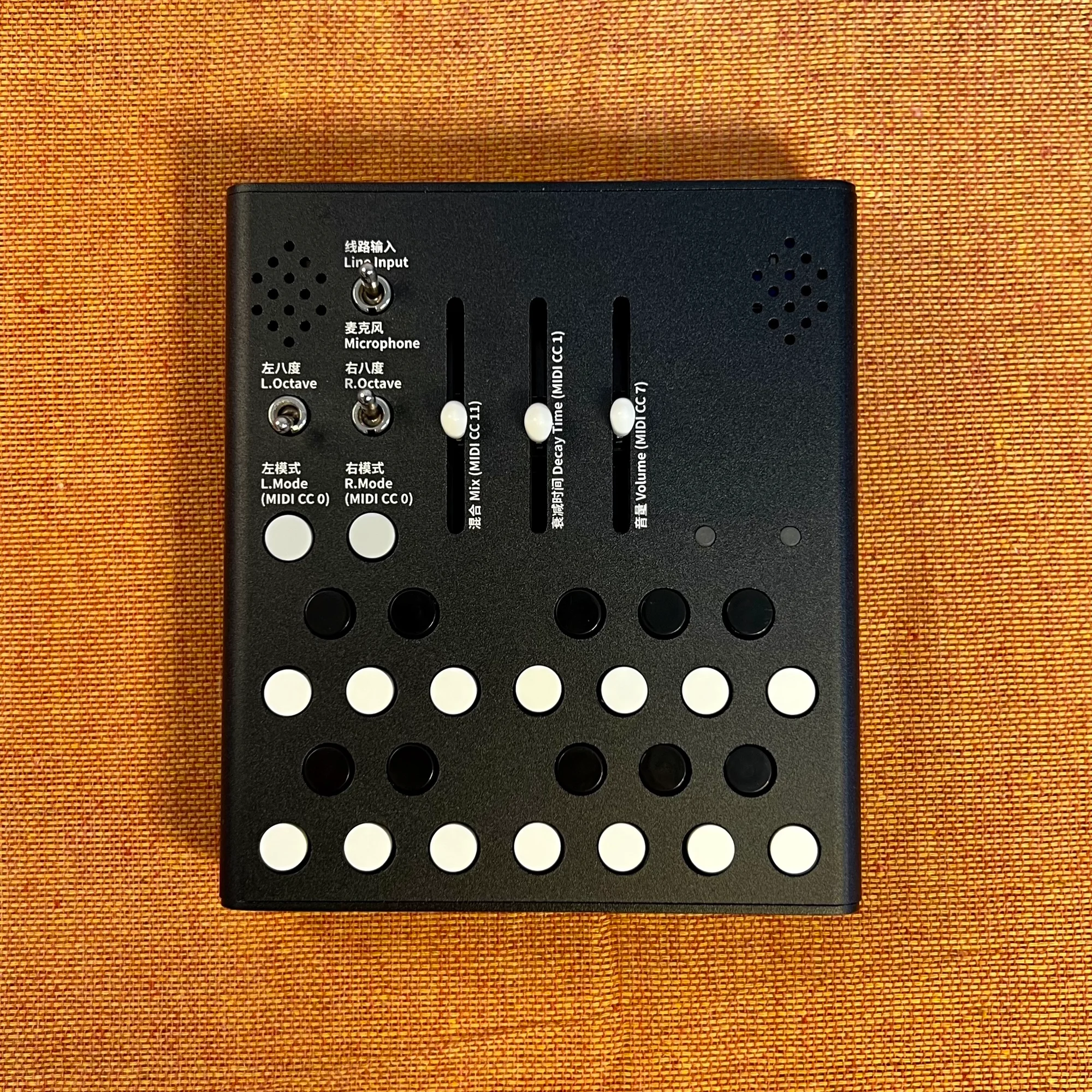
A standalone resonator instrument by Meng Qi. Processes the built-in mic or line input through four resonance modes, with on-panel keyboard buttons and MIDI controlling pitch and other parameters.
A standalone touch-operated instrument by Meng Qi that reframes the Bytebeat approach. Six touch panels alter the variables and operators behind the sound, and a single AAA battery powers an internal speaker to output noise/sine-blended textures.

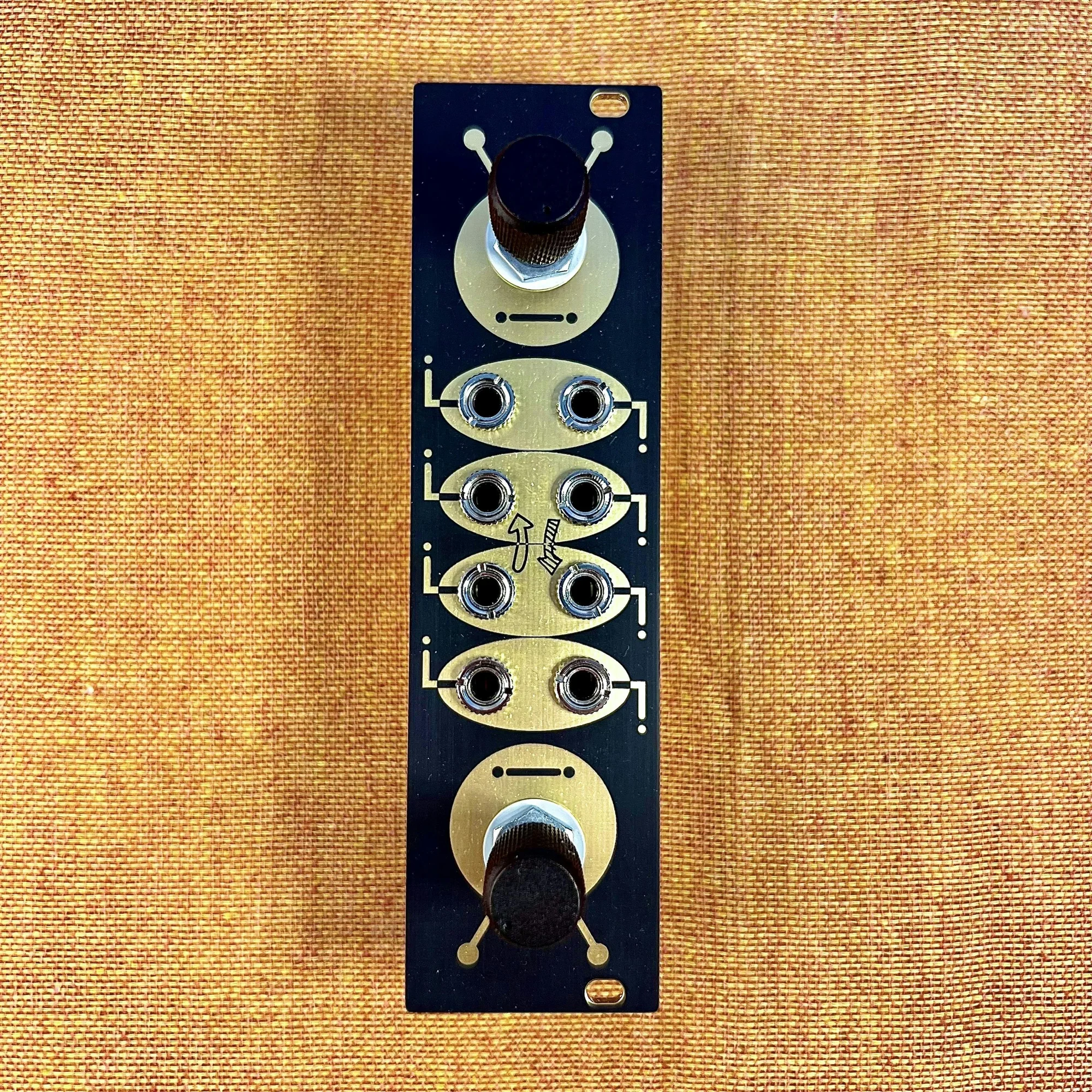
A 7HP passive module with two pairs of attenuators, each controlling two mono signals with a single knob. Handy for riding the volume of a stereo source, or attenuating two CV signals in lockstep.
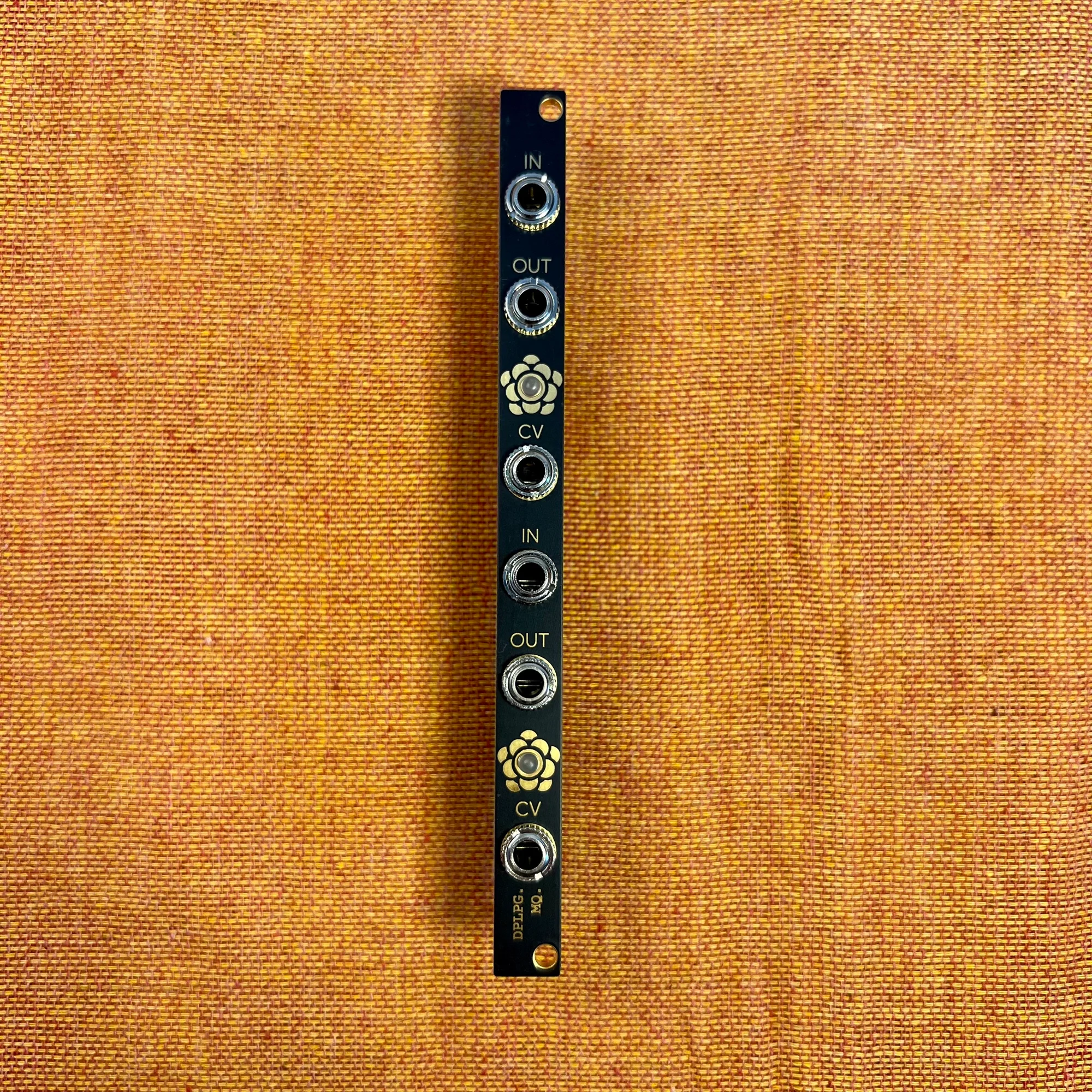
A 2HP module housing two vactrol-based passive low-pass gates. It has no knobs — CV inputs alone control how the gates open — delivering the plucky, springy LPG sound in a slim panel.